
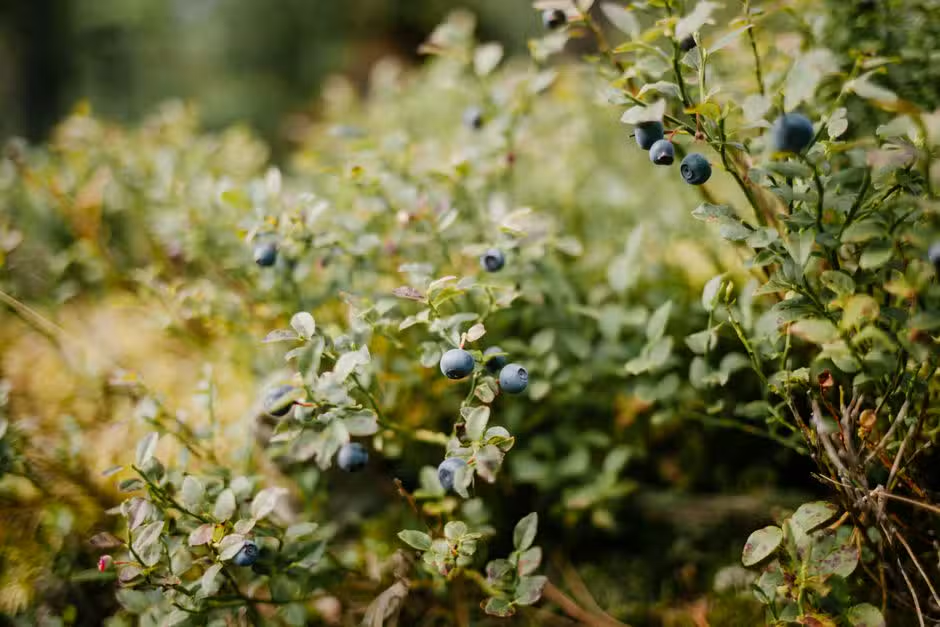

Every summer, the Upper Peninsula’s forests and clearings fill with small, intensely flavored wild blueberries. These native berries are smaller than the cultivated ones you find at the grocery store, but their sweet-tart taste is a reward for anyone willing to spend a few hours outdoors. Whether you are a seasoned forager or a first-time picker, knowing where to look, how to identify the plants, and which safety rules to follow makes all the difference.
What Do Wild Blueberries Look Like?
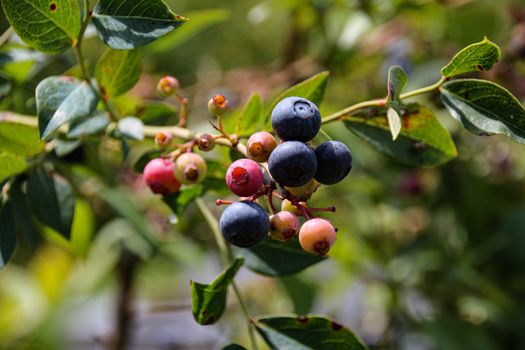
Wild blueberry shrubs are stout plants that grow low to the ground. They have small, pointed leaves and produce pinkish-white flowers in late spring. By mid-to-late summer, the flowers give way to clusters of blue berries. One reliable way to confirm you have found a true wild blueberry is to check the underside of the berry. A small, five-pointed crown on the bottom distinguishes wild blueberries from other look-alike berries.
When Is Wild Blueberry Season in the Upper Peninsula?
Wild blueberries ripen in mid-to-late summer across the Upper Peninsula. The exact peak can shift by a week or two depending on elevation, local weather, and recent fire history. In most years, the best picking runs from late July through August. Because conditions vary from one year to the next, it is a good idea to check with local ranger stations or recent reports before heading out.
Where to Pick Wild Blueberries in the Upper Peninsula
Hiawatha National Forest
Hiawatha National Forest is one of the most popular places for wild blueberry picking in the Upper Peninsula. The forest covers large areas of sandy, acidic soil that blueberries prefer, and you can often find dense patches along logging roads, in open clearings, and near stands of pine trees. Recently burned areas are especially productive. Fire clears away competing brush and returns nutrients to the soil, creating ideal conditions for blueberry plants to thrive. Scouts have reported excellent picking in burn zones within Hiawatha National Forest in recent years.
Other Public Lands and Natural Areas
Beyond Hiawatha, many national forest and state-managed lands in the Upper Peninsula hold wild blueberry patches. Look for areas with sandy, well-drained soil and plenty of sunlight. Blueberry shrubs are commonly found near pine trees, so scanning the edges of pine stands and open meadows is a good strategy. Always confirm that you are on public land where foraging is allowed before you start picking.
U-Pick Farms: A Safer Alternative
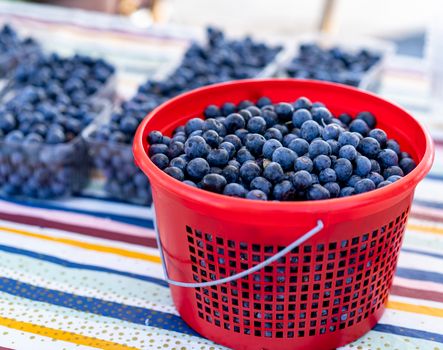
If you prefer a more predictable experience, U-pick blueberry farms give you access to cultivated high-bush blueberries in managed fields. Two options in the Upper Peninsula include Gierke Blueberry Farm at 37915 Klingville Rd, Chassell, MI 49916, open daylight hours. You can reach them at (906) 523-6112. These farms handle the scouting and site preparation, so you can focus on filling your bucket. The berries are larger and the picking is easier, though they lack the concentrated flavor of wild berries.
Wild vs. Farmed Blueberries: Which One Should You Pick?
The choice between wild and farmed blueberries depends on what you value. Wild blueberries grow in their natural environment, developing a more intense, complex flavor from the sandy, acidic soils and fire-adapted ecosystems in which they evolved. They are smaller, but many people find them sweeter and more flavorful. Farmed blueberries are high-bush varieties that have been bred for size and yield. They are easier to pick in larger quantities and come from fields that are free of chemical spraying risks. If you want a true Upper Peninsula foraging adventure, go wild. If you want a guaranteed harvest with less effort, visit a U-pick farm.
Safety Tips for Picking Wild Blueberries
Forager Susan Belanger, who has written about wild blueberry picking in the Upper Peninsula, advises avoiding picking under power lines, near busy roads, or along railroad grades. These areas are often sprayed with chemicals that can make the berries unsafe to eat. Stick to locations well inside national forest or other protected public lands where you can be more confident the ground has not been treated.
Essential Gear for a Successful Picking Trip
Before you head into the woods, pack a few basics. Bring a map of the area so you can keep track of where you are. Carry plenty of water to stay hydrated under the summer sun. A hat provides shade, and bug spray is non-negotiable in the Upper Peninsula’s mosquito-rich forests. A container for your berries a bucket, a basket, or a cloth bag is also important. Lightweight, long-sleeved clothing helps protect your arms from scratches and insects.
Once you find a good patch, pick gently to avoid crushing the berries. Do not strip a plant completely. Leave some berries behind for wildlife and for the plant to regenerate. This helps ensure that the patch will keep producing in future years.
Why Wild Blueberries Are Worth the Effort
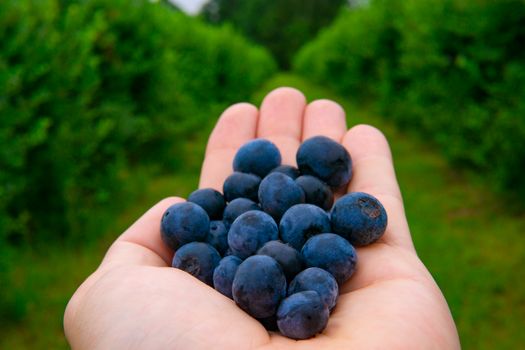
Wild blueberries are rich in vitamin C and antioxidants, making them a healthy addition to your diet. Their concentrated flavor works well in pies, jams, pancakes, and smoothies. Many people also freeze them to enjoy through the winter. The act of picking itself is a relaxing way to spend a summer day, connecting you to the landscape and the seasonal rhythms of the Upper Peninsula.
Frequently Asked Questions
Do I need a permit to pick wild blueberries in Hiawatha National Forest?
Foraging for personal use on national forest land is often allowed, but the rules can change. The research pack does not specify whether a permit is currently required in Hiawatha National Forest. Before you go, contact the local ranger station to confirm the latest regulations for berry picking in your target area.
How can I tell wild blueberries apart from other berries?
Wild blueberry shrubs are low, stout plants with small pointed leaves and pinkish-white flowers. The ripe berries are blue and have a distinctive five-pointed crown on their underside. No other common berry in the Upper Peninsula shares that crown structure, so it is a reliable identifying feature.
What is the best time of day to pick wild blueberries?
Early morning or late afternoon are popular times because the temperatures are cooler and the light is better for spotting berries. The bugs tend to be less active in the middle of the day, but midday heat can be draining. Bring water regardless of when you go.
Can I pick wild blueberries on private land?
You must have the landowner’s permission before picking on private property. Many U-pick farms operate on private land and welcome visitors for a fee. Always respect posted signs and boundaries. If you are unsure whether an area is public or private, check with a local land management office.
Picking wild blueberries in the Upper Peninsula is a simple, satisfying way to spend a summer day. With a little planning, the right gear, and a good sense of where to look, you can bring home a bucket of one of Michigan’s finest wild foods.