
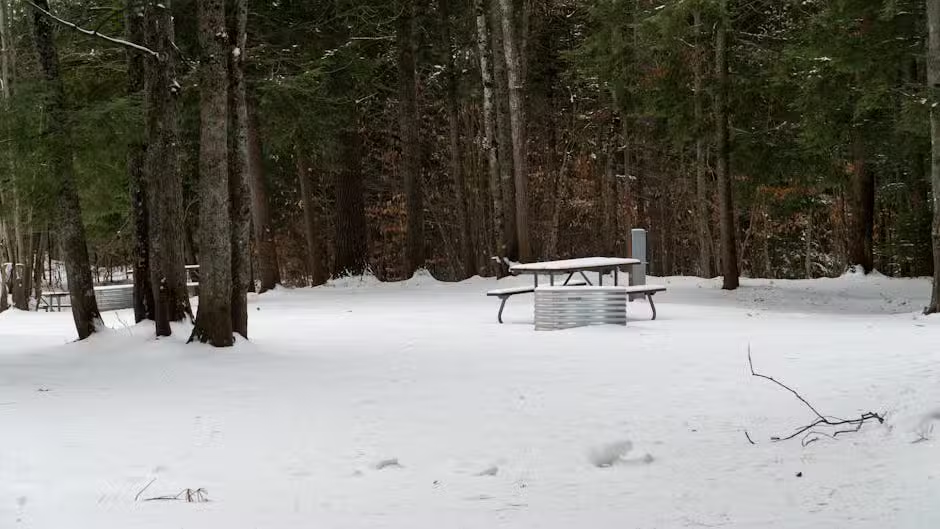
The Upper Peninsula of Michigan holds some of the most scenic camping terrain in the Great Lakes region. From developed campgrounds with hot showers to backcountry sites on Lake Superior, the UP offers a wide range of outdoor lodging. Whether you are driving from Chicago (a 6 to 8 hour trip) or flying into a regional airport, the peninsula rewards visitors with waterfalls, quiet forests, and miles of Great Lakes shoreline. This guide covers the main camping options across the UP, including state parks, national forests, and developed campgrounds near popular destinations.
Types of Camping in the Upper Peninsula
The Upper Peninsula offers a range of camping experiences including developed campgrounds, RV parks, glamping, group sites, rustic spots, and free primitive sites. Developed campgrounds in the UP typically include restrooms with flushing toilets, hot-water showers, electric hookups, fire rings, picnic tables, trash disposal, and dumping stations. For those looking for something between a tent and a hotel, glamping options such as yurts and safari tents are available at select locations. Rustic backcountry sites and free primitive camping appeal to hikers and paddlers who want solitude and minimal amenities.
State Park Campgrounds to Know
Straits State Park
Straits State Park provides a view of the Mackinac Bridge and serves as a convenient base for ferries to Mackinac Island. The campground sits near the base of the bridge, making it an excellent first stop when entering the UP from the Lower Peninsula. You can watch freighters pass beneath the bridge from the shoreline.
Fort Wilkins Historic State Park
Fort Wilkins Historic State Park is a preserved mid-19th-century army fort located on the shores of Lake Superior near Copper Harbor. Camping here puts you steps from a living history site, with costumed interpreters and original buildings. The park is also close to the Keweenaw Peninsula’s hiking trails and scenic drives.
Fayette Historic State Park
Fayette Historic State Park preserves a charcoal pig iron manufacturing town that operated from 1867 to 1891. The campground sits near the historic townsite on Big Bay de Noc. Visitors can tour the restored buildings and then return to a campsite with modern amenities.
Indian Lake State Park
Indian Lake State Park rests on the U.P.’s fourth-largest inland lake, located just west of Manistique. The lake offers swimming, boating, and fishing, while the campground provides both modern and rustic sites. It is a quieter option compared to parks along Lake Superior, with warmer water for summer paddling.
Palms Book State Park
Palms Book State Park is home to Kitch-iti-kipi, Michigan’s biggest freshwater spring. The spring is visible year-round from a self-operated observation raft. The park is small and does not have a campground of its own, but it is a popular day-trip stop while staying at nearby Indian Lake State Park or private campgrounds in the area.
National Forest Camping and Cabins
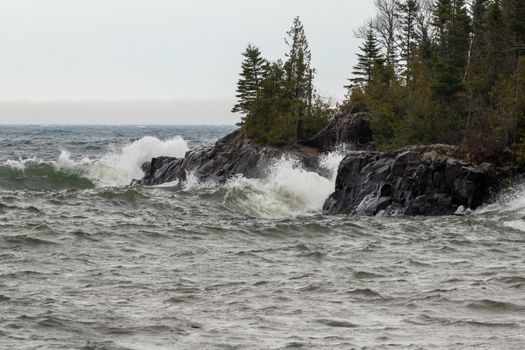
Hiawatha National Forest offers rustic forest service cabins without electricity or plumbing, along with traditional tent and RV campsites. These cabins are a good option for those who want a roof overhead without the crowds of a state park. The forest covers both the eastern and western halves of the UP, with campgrounds near Lake Michigan and Lake Superior.
Ottawa National Forest contains the Sylvania Wilderness, a remote area with 34 named lakes featuring beaches, hiking trails, and primitive campgrounds. Sylvania is popular with canoeists and kayakers who paddle between lakes and set up camp on designated shoreline sites. It requires a permit for overnight use during the peak season.
Porcupine Mountains Wilderness State Park
The Porcupine Mountains Wilderness State Park is located along the southern shore of Lake Superior in the western UP. It is the largest state park in Michigan and offers a mix of modern campgrounds, rustic cabins, and backcountry sites. The park is known for its old-growth forest, Lake Superior overlooks, and the Presque Isle River with its waterfalls. The Summit Peak observation tower and Lake of the Clouds are popular day hikes from the campgrounds.
Camping at Pictured Rocks National Lakeshore
Pictured Rocks National Lakeshore stretches approximately 40 miles from Munising to Grand Marais along the Lake Superior shoreline. Camping options at Pictured Rocks fall into two categories: developed campgrounds and primitive backcountry sites.
Developed Campgrounds near Pictured Rocks
12 Mile Campground is widely considered the best public camping option near Pictured Rocks. It offers large sites and direct beach access on Lake Superior. Hurricane River Upper Campground is another option, though it has no hookups, pit toilets, and a common water source. It costs $20 per night, with senior discounts available through recreation.gov.
Woodland Park Campground in the town of Grand Marais charges $30 per night for a non-electric site. It is a convenient base for exploring the eastern end of Pictured Rocks and the Grand Sable Dunes. Anne Clare campground in Sault Ste. Marie sits on the St. Mary’s River and offers views of passing ore boats, though it is farther from the lakeshore itself.
Backcountry Camping along the Lakeshore Trail
Backcountry campsites at Pictured Rocks are spaced 4 to 7 miles apart along the 42-mile Lakeshore Trail, which is part of the North Country Trail. Each site is primitive with no water or toilets, so you must carry your own supplies and a means of water purification. Permits are required for all backcountry camping, and reservations should be made in advance through the National Park Service.
Commercial boat tours for Pictured Rocks leave from the marina in Munising. If you want to see the cliffs from the water without paddling, these tours are a good complement to a camping trip. Be aware that past pricing for cruise tickets and on-site kennels may not reflect current rates, so check with Pictured Rocks Cruises directly for accurate information.
Accessibility and Pet-Friendly Camping
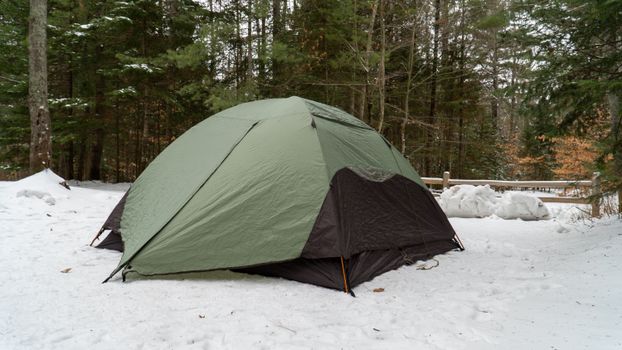
ADA-accessible camping options are available at many Michigan state parks in the UP. This includes accessible restrooms, showers, and campsites with paved or firm surfaces. If you require a specific accessible site, it is best to call the park directly or check the online reservation system for designated sites.
More than two dozen campgrounds in the UP welcome leashed pets. This includes many state parks and national forest campgrounds. Standard rules require pets to be on a leash no longer than six feet and under control at all times. Owners are responsible for cleaning up after their pets. Some campgrounds, such as those in Hiawatha National Forest, are especially pet-friendly and offer plenty of nearby trails for walking.
Equestrian Camping
For those traveling with horses, Cedar River North Equestrian State Forest Campground and sites within Hiawatha National Forest allow camping with horses. These campgrounds provide hitching posts, corrals, or pasture areas in addition to standard campsite amenities. Equestrian trails are often accessible directly from the campground, making it easy to ride without hauling a trailer to a trailhead.
Tips for Planning Your Upper Peninsula Camping Trip
Because the Upper Peninsula spans a large area, it helps to focus on one region per trip. The eastern UP includes Pictured Rocks, Tahquamenon Falls, and Sault Ste. Marie. The central UP offers Indian Lake, Kitch-iti-kipi, and the Hiawatha National Forest. The western UP is home to the Porcupine Mountains, the Keweenaw Peninsula, and Ottawa National Forest. Each region has its own character and campgrounds.
Reservations are recommended for state park campgrounds, especially during summer and fall color season. National forest campgrounds often operate on a first-come, first-served basis, though some can be reserved through recreation.gov. Backcountry permits for Pictured Rocks and Sylvania Wilderness should be obtained well in advance.
Pack for variable weather. Even in July, Lake Superior can bring chilly nights and fog. A rain fly, warm sleeping bag, and layered clothing are smart additions to any camping kit. Bug repellent is essential from May through September, particularly in the interior forests near wetlands.
Frequently Asked Questions
What types of camping are available in the Upper Peninsula?
The UP offers developed campgrounds with flush toilets and showers, RV parks with hookups, glamping options like yurts and safari tents, rustic group sites, primitive backcountry sites, and free primitive camping. The variety means you can choose based on your comfort level and equipment, from a full-size RV to a backpacking hammock.
Can I camp with my dog in the Upper Peninsula?
Yes, more than two dozen campgrounds in the UP welcome leashed pets. Many state parks and national forest campgrounds allow dogs as long as they remain on a leash no longer than six feet and are under your control at all times. Always check individual campground rules before you go.
Do I need a reservation for Pictured Rocks backcountry campsites?
Yes, permits are required for all backcountry camping at Pictured Rocks National Lakeshore. The Lakeshore Trail stretches 42 miles, and campsites are spaced 4 to 7 miles apart. Permits must be reserved in advance through the National Park Service, and they often sell out for popular dates during summer.
Is there ADA-accessible camping in the Upper Peninsula?
Many Michigan state parks in the UP offer ADA-accessible camping options. This includes accessible campsites, restrooms, and showers. It is best to confirm availability and site specifics by contacting the park directly or using the accessibility filters in the Michigan state parks reservation system.
Camping in the Upper Peninsula connects you with some of the most unspoiled landscapes in the Midwest. Whether you choose a full-hookup RV spot at Straits State Park, a backcountry site along the North Country Trail, or a rustic cabin in Hiawatha National Forest, the UP provides an outdoor experience that keeps people coming back year after year. The key is to pick the region that matches your interests, book early for popular sites, and prepare for Lake Superior’s unpredictable weather. From the falls of the Porcupine Mountains to the cliffs of Pictured Rocks, your campsite is the starting point for adventure.